
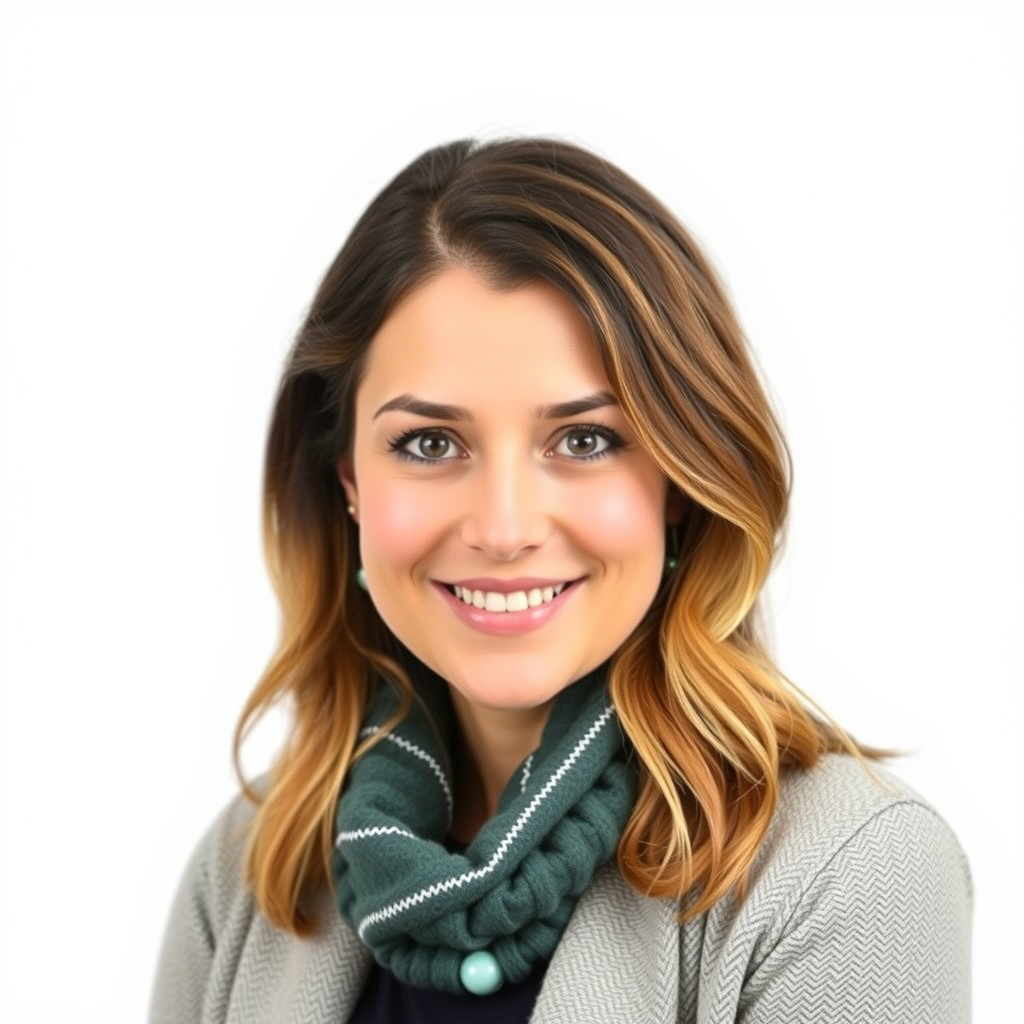
Zeina Nassar, a bantamweight from Berlin, will step into the ring for her first pro fight in Pakistan on Wednesday.
With a stack of notes beside her, Zeina Nassar gathered her parents in their Berlin living room, prepared to deliver a presentation on why they should allow her to box.
The 13-year-old, inspired by YouTube training videos of female fighters, felt an immediate bond with the sport.
"I watched it over and over," Nassar, now 27, recalls. "I knew this was my calling".
So Nassar presented her case like a determined young advocate, fighting for her future.
"I told them it could improve my school concentration, I'd stick to a local women-only gym, and boxing emphasized respect and self-control," she recalls.
Her parents were swayed, but persuading them turned out to be the simpler hurdle.
Born in Germany with Lebanese heritage, Nassar—a Muslim teen who proudly wore a hijab—soon discovered her biggest obstacle was outside her home.
She joined a local boxing gym, but national and international regulations at the time prohibited hijabs in competitions, forcing her to battle for her right to participate.
"People insisted I had to pick my hijab or my sport," she says. "I wondered, why should I decide? I'm not harming anyone. I just want to box".
Her resolve to oppose injustice became the hallmark of her boxing path.
This Wednesday, Nassar will wear her hijab and complete body attire during her pro debut in Pakistan, supported by iconic figure Roy Jones Jr. as her coach and guide.
She is considered the inaugural case, given the absence of prominent hijab-clad women in pro boxing, amplifying the significance of her first fight.
Not a bad achievement for a youngster with a presentation and a vision.
Nassar's Journey to Altering the Rules as a Hijab-Wearer
By age 14, Nassar was instrumental in revising German amateur boxing policies, allowing her to fight in long sleeves and a hijab.
However, during her debut amateur bout, with excitement surging, she noticed the many eyes watching her.
"I noticed plenty of onlookers," she explains. "Several insisted I couldn't compete like this, and I said 'hold on, we just amended the rules'".
"I simply didn't get it—it should be about my skill and how I perform in the ring. Still, many opposed it".
Nassar thrived in the ring and shifted perceptions, earning multiple Berlin championships and national titles while adhering to her beliefs.
Yet, upon being invited by the IBA to the European Championships, she encountered a further hurdle, since hijabs were not allowed internationally.
So at 19, she began campaigning to alter the rules on the world stage.
"Germany wasn't backing me," she says. "But I was driven. I sought the same fairness as all athletes".
In 2019, the IBA lifted the hijab ban, and Olympic boxing, now under World Boxing, also allows hijabs and full-body coverings.
"Because of my efforts, all female amateur boxers can now compete in hijabs and express their identity," Nassar states. "That victory means the most".
The Rules Surrounding Hijabs in Pro Boxing
Nassar's advocacy transformed the amateur scene, and in 2017, she attracted Nike's attention, becoming a representative for their new athletic hijab.
However, in the pro ranks, what are the guidelines? Is a hijab potentially hazardous? Could it offer an edge?
Under the WBO, local commissions handle attire, and the IBF does not have detailed rules for religious headgear.
In the UK, the British Boxing Board of Control permits hijabs made for athletic use.
German Boxing Federation leader Oliver Wittmann notes scarce examples but voices anxiety about security and a hijab falling off in combat.
Nassar answers Wittmann's comments based on her record: "In around 100 amateur contests, it has never created a problem," she explains.
Health professionals agree. "It's insignificant," notes Professor Mike Loosemore, former medical officer for Team GB.
"They consist of light, ventilated cloth," he mentioned. "I'm fine with people competing in hijabs.
"They're safe and don't pose problems for the boxer or opponent".
Pakistan—The Surprising Venue for a Four-Day Boxing Spectacle
Pakistan may not be a common site for world-class boxing, but upwards of 20,000 attendees are projected in Lahore for a four-day professional card.
Backed by the Punjab government, the show will feature a mix of domestic and global fighters, including British athletes Alex Dilmaghani, Jimmy Kelly, and James Metcalf.
Nassar calls it a "privilege" to fight in a Muslim country.
"Boxing belongs to all," states Chris Glover, the Liverpudlian behind the show. "If Zeina opts for a hijab, she might as well wear a cowboy hat—it doesn't matter. She's an innovator".
In her corner will be Jones Jr., the four-weight world champion turned coach, whom Nassar first met at an IBA event years ago.
"I was astonished to be next to him," she chuckles.
"Then he began demonstrating techniques, offering tips, and we kept in contact. He's instructed me extensively on footwork, power, and confidence".
Nassar aims high, targeting a world title in six or seven bouts.
Given the obstacles she's overcome to get here, betting against her seems risky.


